ADVERTISEMENT
5. What About Low Blood Pressure?
The opposite problem is low blood pressure (hypotension), usually defined as below 90/60 mmHg.
-
Dizziness or fainting
-
Blurred vision
-
Weakness or fatigue
It can happen from dehydration, skipping meals, blood loss, or certain medications. Drinking water, eating regularly, and avoiding sudden position changes usually help.
6. How to Measure Blood Pressure at Home (Correctly)
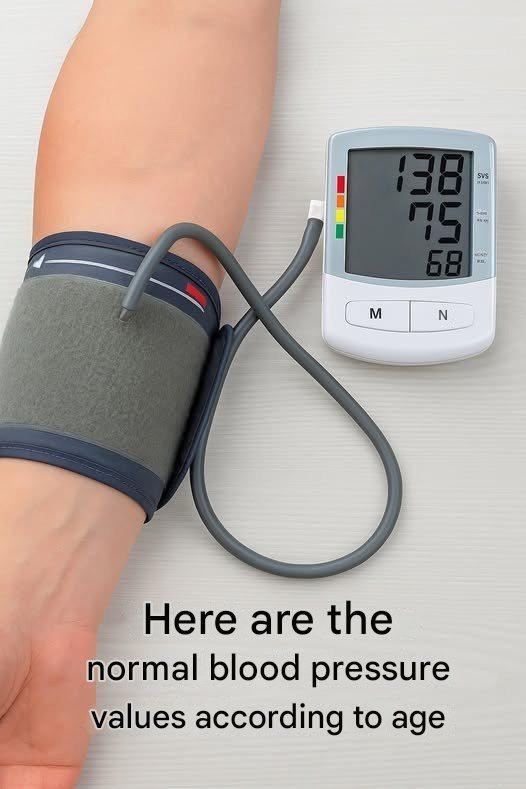
Using a home blood pressure monitor can help you track your readings daily. But many people make mistakes that affect accuracy.
To get reliable results:
-
Rest for 5 minutes before measuring.
-
Sit with your back supported and feet flat on the ground.
-
Avoid talking or moving during the measurement.
-
Take 2–3 readings, one minute apart, and record the average.
Check at the same time every day — morning and evening are best. Tracking trends gives your doctor a clearer picture of your health.
7. Ideal Blood Pressure Targets for Adults
Continue READING…
Continue READING
ADVERTISEMENT
