ADVERTISEMENT
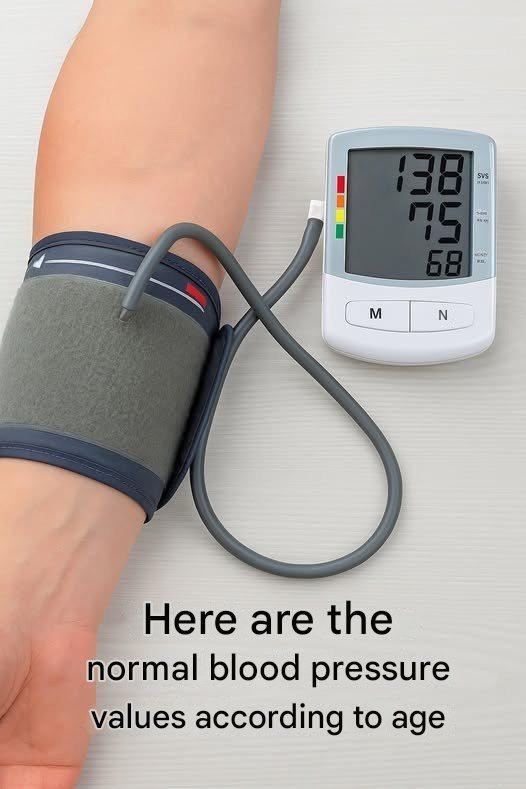
According to current guidelines:
-
Adults over 60: below 130/85 mmHg
Occasional higher readings aren’t alarming — stress, caffeine, or anxiety can cause temporary spikes. Consistency matters more than one isolated result.
8. How to Keep Your Blood Pressure in the Healthy Range
Small daily habits can dramatically improve your blood pressure. You don’t need drastic diets or heavy workouts — just a few mindful changes.
1. Eat a heart-friendly diet
-
Choose fruits, vegetables, whole grains, and lean proteins.
-
Cut back on processed foods and salt.
-
Try the DASH diet (Dietary Approaches to Stop Hypertension) — it’s doctor-approved for lowering blood pressure.
2. Stay active
3. Maintain a healthy weight
-
Losing even 5–10 pounds can make a big difference in your readings.
4. Reduce stress
-
Meditation, yoga, deep breathing, or simply unplugging from screens helps more than you think.
5. Avoid smoking and limit alcohol
-
Both damage blood vessels and raise your blood pressure.
6. Get enough sleep
9. When to Call a Doctor
You should talk to a healthcare professional if:
-
Your blood pressure stays above 130/85 mmHg for more than two weeks
-
You have symptoms like chest pain, shortness of breath, dizziness, or headaches
-
You already have diabetes or heart disease
Early management can prevent complications later — don’t wait until you “feel” something wrong.
Continue READING…
Continue READING
ADVERTISEMENT
