ADVERTISEMENT
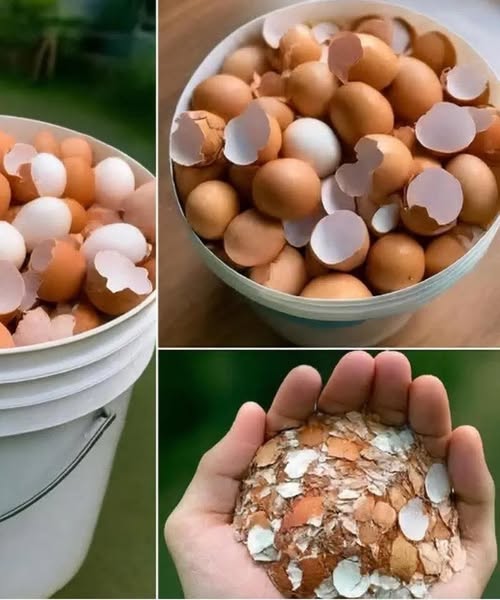
In the past, whenever I used eggs in my cooking, I would crack them open, use the yolk and whites, and immediately toss the shells into the trash without a second thought. It never occurred to me that I might actually be throwing away something valuable. Over the past few months, however, I’ve realized just how useful eggshells can be. What once seemed like kitchen waste has turned out to be a surprisingly versatile and eco-friendly resource. By saving and reusing your eggshells, you can benefit not only your garden but also your body — and even the environment.
Did you know that eggshells are made up of about 95% calcium carbonate, along with small amounts of other essential minerals such as magnesium, potassium, zinc, and iron? These same minerals are crucial for maintaining healthy bones, teeth, and nails. Structurally, the eggshell is composed of three layers: a hard, outer shell made of calcium crystals, and two thin, inner membranes packed with keratin protein that serve as a barrier against bacteria. So, before you toss those shells into the bin, take a moment to consider how useful they can be. Below is a list of creative and practical ways to reuse eggshells — you might be surprised by how much they can do!
1. How to Prepare Eggshells for Eating
If you’re interested in consuming eggshells for their calcium benefits, it’s important to prepare them safely. Start by washing the shells thoroughly under running water to remove any egg residue. Next, boil them for about 10 minutes to eliminate bacteria such as Salmonella. Once boiled, let them dry completely — you can air-dry them on a clean towel or bake them at a low temperature (around 200°F / 93°C) for 10–15 minutes until crisp. After drying, grind the shells using a coffee grinder, blender, or mortar and pestle until they form a fine powder. The finer the powder, the easier it is for your body to absorb the calcium.
2. Easy Ways to Eat Crushed Eggshells
Continue reading
Continue READING
ADVERTISEMENT
