ADVERTISEMENT
The doctor recommended therapy and mild medication, but said the most important things were patience and steady reassurance.
“Trauma doesn’t disappear,” he said. “But love can soften it.”
“I never meant to scare you,” she whispered. “I only want to keep my son safe.”
For the first time, I reached for her hand.
“You don’t need to knock anymore,” I said softly. “No one is coming. We’re safe. All of us.”
She broke down, sobbing like a child finally understood.
The next weeks weren’t perfect. Some nights she still woke hearing footsteps. Some nights I lost patience. But Liam would remind me, “She’s not the enemy — she’s still recovering.”
So we created new routines.
Before bed, we checked each door together.
We installed a smart lock.
We shared tea instead of fear.
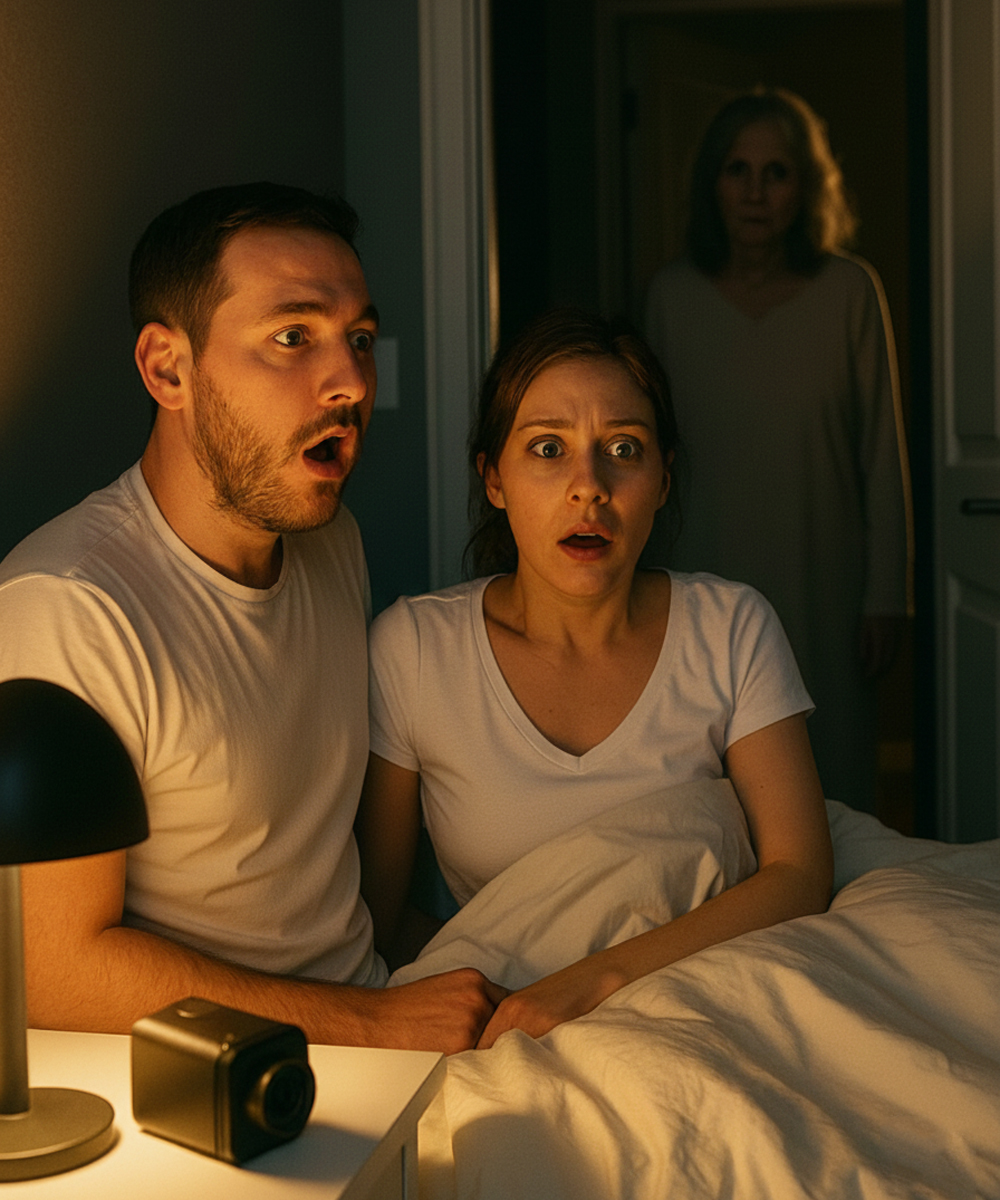
And little by little, the 3 a.m. knocks disappeared.
Her eyes grew warmer.
Her voice steadier.
Her laughter returned.
The doctor called it healing.
I called it peace.
And in the end, I learned something profound:
ADVERTISEMENT
