ADVERTISEMENT
The Discovery
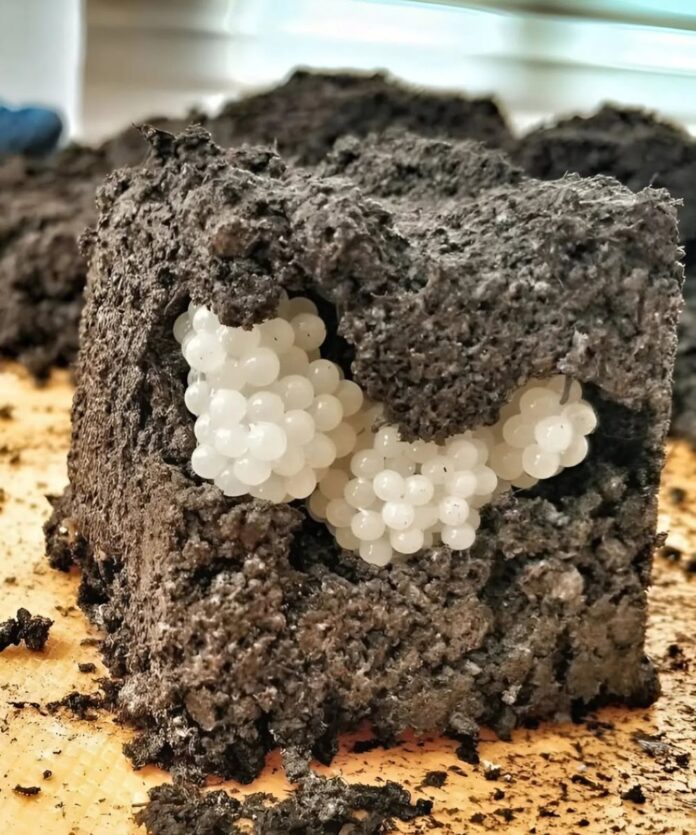
I scooped up a few and brought them inside to examine under the kitchen light. Beneath their thin, milky shells, I could see faint dark specks moving ever so slightly. My curiosity turned into unease.
I opened my laptop and began searching. Within minutes, the answer appeared — and my stomach dropped.
Not the harmless garden kind you might see after rain, but the kind that multiply quickly, eating through leaves, roots, and blossoms until an entire garden is stripped bare. In some regions, invasive snail species are known to destroy crops within days.
And worse, certain tropical snails can carry parasites dangerous to humans — making those delicate, pearl-like eggs more than a nuisance; they were a health hazard.
Taking Action
The thought of hundreds, maybe thousands, of snails hatching under my garden soil made my skin crawl. I rushed outside, gathered every last cluster I could find, and poured boiling water over them to make sure none would survive.
Then, armed with gloves and determination, I cleared the entire bed, replaced the top layer of soil, and checked every pot and corner for more.
By the time I finished, the sun had set, and the once peaceful garden now felt like a battlefield — quiet but uneasy, as though something unseen had almost taken over.
A Hidden Lesson in the Soil
The next morning, I walked through the yard again. The garden looked calm, even innocent, but I knew better now. Those small, shining spheres had nearly fooled me — a reminder that nature often hides its power behind beauty.
What looked like harmless pearls were really a silent army, waiting beneath the surface, capable of destroying months of hard work in a matter of days.
Now, whenever I tend my plants, I pay closer attention to the smallest details — to the color of the soil, the texture under the leaves, the things that don’t quite belong. Because in nature, danger doesn’t always roar. Sometimes, it waits quietly, round and glistening, just beneath our feet.
The Takeaway
Stay observant, wear gloves while digging, and check your garden regularly — especially after rain or in damp, shaded areas. Prevention is always easier than a full-blown infestation.
Gardening teaches many lessons, but this one is simple and powerful: never underestimate what hides beneath the surface.
ADVERTISEMENT
